Drain Cleaning Tools: Complete Types, Cable Sizes & Selection Guide
A complete map of drain cleaning tools by drive type, cable diameter and fixture, with tip types, a selection framework, safe operating order and when to stop and call a professional.
Drain Cleaning Tools: A Map of the Whole Family
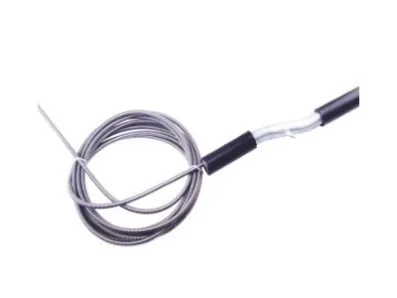
A drain auger (drain snake) is a flexible steel cable that travels deep into a pipe, around bends, to hook, shred or push a blockage. The family is wider than most buyers expect: the right tool depends on pipe diameter, cable length, drive type and the fixture — a toilet needs a completely different head from a kitchen line. This page maps the family, the cable sizing logic and the safe order of attack. For the supply side see our drain auger manufacturer page; for the wider toolkit see plumbing tools.
The Full Type Map
By drive
- Hand / hand-turn augers — a simple crank or grip-fed cable for short sink and tub runs, such as the JQ-004 hand-turn auger and JQ-010A/B hand auger.
- Drill-powered augers — a clutch drill spins the cable; see the JQ-003 manual/drill-powered auger.
- Drum augers — a cable stored in a drum for longer reaches and heavier blockages, e.g. the JQ-002A/B hand drum auger and manual drum auger. The drum auger vs drain snake guide separates the two.
- Plungers and pump plungers — pressure-wave tools for shallow clogs, e.g. the JQ-027A/B pump drain plunger; compared in drain auger vs plunger.
By cable diameter and length
1/4–5/16 in cable for 1.5–2 in sink and tub drains; 5/16 in for greasy kitchen lines; 1/2–5/8 in for 3 in+ main and sewer lines with 75 ft or more of reach. Most household clogs sit within 25 ft. The full table is in our drain auger cable size chart, and range planning for resellers is in drain auger range planning. Spare cables are at drain auger spare cables.
By tip / head
Corkscrew, bulb, cutter, hook and spear heads each target hair, grease, soap or mineral build-up — see drain auger tip types. Toilets need a closet auger with a vinyl guard, never a standard snake that would scar the porcelain.
Selection Framework
Situation | Tool | Cable |
|---|---|---|
Shallow sink clog, standing water | Plunger first | — |
Sink / tub, within 25 ft | Hand auger | 1/4–5/16 in, 25 ft |
Greasy kitchen line | Hand or drum auger | 5/16 in |
Toilet | Closet auger (vinyl guard) | Short, guarded |
Main / sewer lateral | Drum auger, powered | 1/2–5/8 in, 75 ft+ |
Volume and power choices for wholesale buyers are covered in choosing manual vs drill-powered augers and the drum auger kit contents guide.
Safe Order of Attack
Plunge first for a shallow clog (quick and clean). If a few firm plunges fail, move to an auger with the correctly sized cable. Feed the tip before engaging, rotate while advancing, retract slowly and wipe the cable. If the cable meets immovable resistance, or several fixtures back up together, stop — that indicates a main-line or structural issue for a professional. The complete method is in how to unclog a drain with an auger.
Maintenance and Adjacent Jobs
Preventive work — brushes, rods and drain maintenance kits — is covered in plumbing drain maintenance tools, with products such as the 9-piece cleaning kit, drain cleaning brush and 9 m drain rod set. HVAC condensate lines have their own requirements, covered in HVAC condensate drain cleaning tools. Detailed specifications, certifications, MOQ and capacity are available on request.
Failure Modes: Why an Auger Stops Working (or Makes Things Worse)
Cable kink from overfeeding in a drum
The most common drum-auger failure is operator-induced: feed more cable than the head can cut, the cable buckles inside the drum, and the resulting bird's nest jams the machine. Feed in short advances, let the head clear the obstruction, then retract slightly before advancing again. Never force the drum with a drill at high speed — a drill-powered auger needs a low, controlled RPM and a clutch or a gloved hand on the cable.
Using the wrong head for the blockage
A bulb head retrieves soft organic matter; a cutter head clears roots and hard scale; a straight retrieval tip fishes out a dropped object. Choosing by cable diameter alone leads to pushing a soft blockage deeper instead of pulling it back. Tip types explained and drum auger vs drain snake split this out by obstruction class. On toilets, a guarded closet auger protects the porcelain — a naked cable will scratch the glaze.
Pushing past a damaged pipe
If the cable meets repeated resistance at the same depth, or comes back with sand, clay or fragments, stop. That is a collapsed or fractured line, not a blockage; forcing a rotating head can drive it through the pipe wall. Note the measured depth, retract, and recommend an inspection. This is the single most useful piece of guidance a distributor can pass on to end users, and it prevents the majority of complaint-driven returns.
Specification Checklist Before You Order
Drain tools are specified by the pipe they must reach, not by the motor that turns them. Capture these fields on the RFQ:
Field | What to specify | Why it matters |
|---|---|---|
Cable diameter | 5–6 mm for small traps; 8–10 mm for main lines | Too stiff for the bend radius kinks; too thin twists |
Cable length | 3–5 m for fixtures; 9 m+ for stacks and laterals | Short cable leaves the blockage untouched |
Head / tip | Bulb, cutter, retrieval, guarded closet | Must match obstruction type and fixture |
Drive | Hand crank, hand-turn, drill-powered, drum | Defines user skill, torque and job site power |
Coupling | Threaded, set-screw, button; spare cables available | Determines whether sections can be extended |
Packaging | Blister, kit with gloves and guide, export carton | Retail-ready vs trade-packed are different SKUs |
A cable size chart and the kit contents guide help convert those fields into an orderable assortment. Certificates and test records are available on request.
Matching the Tool to the Pipe Material
Pipe material changes the tool choice as much as pipe diameter does. Old cast iron commonly has internal scale and offset joints: a flexible cable with a bulb or small cutter head negotiates the offsets, while an aggressive root cutter can catch a lip and bind. PVC and ABS are lighter and easily scored by a spinning head at high RPM, so use low speed, a guarded tip and short advances. Copper and thin-wall drain tube need the gentlest approach of all — a hand spring auger or a pull-through cable rather than a powered drum.
Clay and underground laterals are where roots and fracture risk coexist. If the cable repeatedly stops at a fixed distance, or returns with grit and clay fragments, that is a structural defect rather than a blockage. Continuing to cut can push the head out through a cracked collar and turn a cleaning job into an excavation. Document the measured depth — it is the most useful information the next contractor can receive.
For a mixed housing stock, the practical answer is a two-tier range: a compact hand auger for indoor fixtures and a manual drum auger for longer runs, with tip sets for each material class. Planned drain maintenance covers the preventive side, and manual vs drill-powered selection covers the drive decision.
Frequently Asked Questions
What are the main types of drain cleaning tool?
By drive: hand/hand-turn augers, drill-powered augers, drum augers and plungers/pump plungers. By cable: 1/4–5/8 in diameters in 25–75 ft+ lengths. By fixture: sink/tub, toilet (closet auger) and main/sewer lines. Tips then match the blockage — hair, grease, soap or mineral.
How do I pick the right cable size?
Match the cable to the pipe: 1/4–5/16 in for 1.5–2 in sink/tub drains, 5/16 in for greasy kitchen lines, 1/2–5/8 in for 3 in+ mains. Too thin kinks, too thick will not pass the trap. Our cable size chart gives the full table.
When should I stop and call a professional?
When the cable meets solid resistance it cannot move, when multiple fixtures back up together (main-line or root issue), or if you suspect pipe damage. Forcing it wastes cable and can puncture old pipe.
More Questions Buyers Ask
How do I decide between a hand auger and a drum auger for a range?
Stock both, but position them differently. A compact hand auger covers sinks, baths and traps at a low price point and needs no power; a drum auger covers longer runs and repeated professional use. Most distributor ranges fail because they carry three near-identical hand units and no drum unit — see range planning for wholesale buyers.
What is the correct after-use care for a cable?
Rinse, wipe dry, and apply a light protective film before coiling it back; store the drum with the cable relaxed. Leaving wet cable coiled in a closed drum causes surface corrosion that then abrades the drum throat and the operator's glove. Include this in the instruction leaflet — it is the cheapest way to cut warranty claims.
When should an end user stop and call a professional?
Repeated hard stop at one depth, cable returning with debris or roots, sewage backing up in more than one fixture, or any sign of a broken pipe. The step-by-step auger guide lists these as explicit stop conditions.
Can cables and heads be ordered separately?
Yes, spare cables and heads are usually ordered alongside the initial tool so the range has a serviceable aftermarket. Lead times, MOQ and packaging data are available on request.