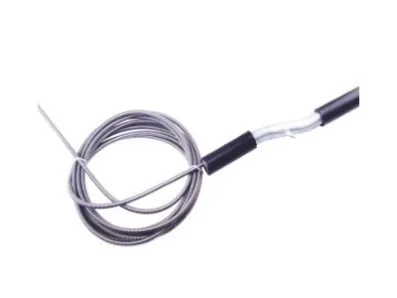
How to Unclog a Drain With a Drain Auger (Step-by-Step)
A step-by-step drain auger guide: pick the right cable size for the pipe, feed and rotate to break the blockage, clear hair and grease, and know when to stop and call a pro. Toilet note included.
How to Unclog a Drain With a Drain Auger
A drain auger (drain snake) is a flexible steel cable with a corkscrew tip that reaches deep into pipe, navigates bends, and either hooks or breaks apart what a plunger cannot move. Done in the right order, most household clogs clear in 20–40 minutes. Done wrong, you kink the cable or scratch a fixture.
Pick the Right Cable for the Pipe
This is the step DIYers skip. A cable too thin kinks and snaps under torque; too thick will not bend through traps.
- 1.5–2 in sink / tub drains: 1/4–5/16 in cable.
- Kitchen lines (grease): slightly stiffer 5/16 in.
- 3 in + main / sewer lines: 1/2–5/8 in cable, 75 ft or more for laterals.
Most household clogs sit within the first 25 ft, so a 25 ft snake handles the majority; two-storey or long laterals need 50 ft. Full sizing detail is in our drain auger cable size chart.
What You Need
- The correct auger for the pipe diameter (see drain auger types)
- Rubber gloves and eye protection
- Bucket, old towels, flashlight
- For toilets: a closet auger, never a standard auger—see below
Step 1 — Clear Access
Remove the drain cover or stopper. For a sink, put a bucket under the P-trap in case you need to pull it for direct access.
Step 2 — Feed the Tip
Insert the corkscrew tip and feed about 6 in of cable before you engage the crank or motor. Never force a jammed cable—you will kink it.
Step 3 — Advance With Rotation
Turn the crank (or run the motor / drill adapter) while pushing forward with steady pressure. The moment you feel resistance, you have reached the obstruction. Work the cable against it: for hair the tip snags and winds it; for grease or soap the rotation shaves it apart.
Step 4 — Retract and Clear
Pull the cable back slowly, bringing debris with it. Wipe it into the bucket. Repeat the advance–rotate–retract cycle until the cable runs free and water drains.
Step 5 — Test and Clean Up
Flush with hot water to confirm flow. Sanitise the cable, coil it dry, and store it so it does not rust or kink. Our auger tip types guide explains which tip targets hair vs grease vs mineral build-up.
Toilets: Use the Right Tool
Do not run a standard drain auger into a toilet—it scratches porcelain. Use a closet auger with a vinyl guard (we stock vinyl-guard toilet augers). The curved shaft is shaped to enter the bowl safely.
When to Stop and Call a Pro
If the cable meets solid resistance it cannot move, if multiple fixtures back up at once (likely a main-line or root issue), or if you suspect the pipe itself is damaged—stop. Forcing it wastes cable and can puncture old pipe. Heavy-duty and main-line work is covered in our drum auger vs drain snake comparison.
Frequently Asked Questions
Can I use a drain auger on a toilet?
Not a standard one—it will scar the porcelain. Use a closet (toilet) auger with a vinyl guard. See our toilet auger product.
Is a drill adapter safe on a drain auger?
Yes if you respect it: use a clutch/clutch-setting drill, keep tension on the cable, and never force a jammed cable or you risk snapping it. Match the bit to the auger's square drive.
How long a cable do I need?
25 ft covers most sink/tub clogs; 50 ft for longer runs; 75 ft+ for main/sewer laterals. Over-length just makes the coil heavier to manage.