Drain Auger vs Plunger: Which Clears a Clog First
Drain auger vs plunger: how each clears a clog, reach and pressure limits, when a plunger is enough and when you need a snake, and the safe order to try them.
Drain Auger vs Plunger
Both are drain-clearing staples, but they work on completely different principles. Knowing which to reach for first saves time, cable and a pointless mess.
How a Plunger Works
A plunger builds a pressure wave in the standing water above the clog, pushing and pulling at the obstruction. It needs water in the fixture to transmit that wave—dry, it does nothing. It is cheap, fast and needs no tool beyond the cup.
How a Drain Auger Works
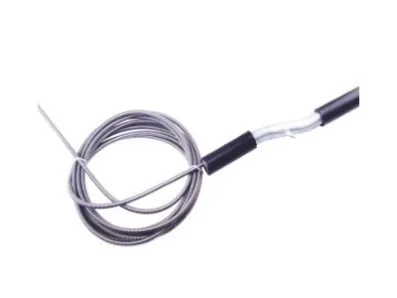
An auger feeds a flexible steel cable deep into the pipe, around bends, to physically hook, shred or push the blockage. It does not need standing water and reaches 15–150 ft depending on the model. See the step-by-step in how to unclog a drain with an auger.
Where Each One Wins
- Plunger: soft clogs close to the fixture opening—a shallow hair or soap mat near the drain mouth, a partly blocked sink or tub. Works in seconds when it works.
- Auger: clogs beyond the first few feet, hair wads deep in a trap, grease or soap built up along the line, or anything a plunger just bounces off. It also reaches where no standing water sits.
Limitations
- Plunger limits: only acts near the opening, needs a water seal, and cannot move solid, hardened or root obstructions. It also will not help a main-line backup.
- Auger limits: heavier, needs the right cable size for the pipe (see our cable size chart), and can kink or scratch if misused—never in a toilet without a closet auger.
The Safe Order to Try
Plunge first (it is quick and free). If two or three firm plunging sessions do not restore flow, move to an auger. If the auger meets immovable resistance or several fixtures back up together, stop—that points to a main-line or structural issue for a pro. Our drum auger vs drain snake guide helps pick the auger type once you are at that stage.
Frequently Asked Questions
Should I plunge or auger first?
Plunge first for a shallow, near-the-opening clog—it is faster and cleaner. If plunging fails after a few tries, switch to an auger for anything deeper or harder.
Why does my plunger do nothing?
Usually there is no water seal (add water), the clog is too deep for the pressure wave to reach, or the obstruction is solid/greasy rather than soft. That is the cue to auger.
Can an auger damage my pipes?
Only if mis-sized or forced. Use the cable gauge matched to the pipe diameter, keep tension, and never crank a jammed cable. Our tip-types guide explains matching the head to the clog.