Oct 26, 2026Buying Guides
HVAC Condensate Drain Cleaning Tools and Methods
Condensate lines block with algae slime, not debris. Methods compared, the 5 mm cable that fits 16-25 mm lines, and what HVAC distributors should stock.
Why condensate drains block differently from other drains
A condensate line blocks on a different mechanism from a kitchen sink, and treating them the same is why the usual tools sometimes make it worse.
The blockage is biological, not debris
What grows in a condensate line is algae, bacteria and the slime they produce. It coats the pipe wall and narrows it gradually rather than plugging it at one point.
The line is small and the run is long
Condensate drains are commonly 16 to 25 mm and can run several metres to a drain point. A tool has to be thin enough to follow the line and long enough to reach.
The trap is part of the design
The P-trap on a condensate line stops conditioned air being drawn back through the drain. Any clearing method has to leave the trap intact rather than pushing through it blindly.
The unit is live while you work
On a cooling call the system keeps producing water. Clearing a line without isolating the unit or catching the water is what turns a maintenance job into a water damage claim.
Matching the clearing method to the blockage
Four methods are used on condensate lines, and each suits a different stage of the problem.
Method | Best for | Limit |
Wet/dry vacuum at the drain outlet | Fresh soft blockage near the outlet | Does not reach far into the line |
Nitrogen or compressed air blow-out | Loose slime in a straight run | Can split a weak joint or blow a trap |
5 mm hand auger cable | Slime partway along the line | Needs a thin cable to follow the line |
Brush or flexible cleaning tool | Wall coating that keeps regrowing | Does not clear a solid plug |
Start at the outlet, not at the unit
Working from the drain end means the removed material leaves the line rather than being pushed further into it. That direction is what stops a partial clear becoming a full blockage.
Vacuum first, because it is the gentlest
A wet/dry vacuum at the outlet clears a fresh soft blockage without introducing pressure or a cable. It is the first method to try on a service call.
A small cable is the right size here
A 5 mm cable follows a 16 to 25 mm line and reaches partway in. A thicker cable will not take the bends, which is why the general-purpose 6 mm domestic cable is often too big for this job.
Pressure has to be used carefully
A blow-out is fast and effective on a straight run, but a weak joint or a dry trap can be damaged by it. Where the pipework is old or patched, a cable is the safer choice.
What a distributor should stock for this job
The tools that sell into HVAC maintenance are not the same as the ones that sell into domestic plumbing. Two specifications decide it.
Small-diameter cable, sold as a category
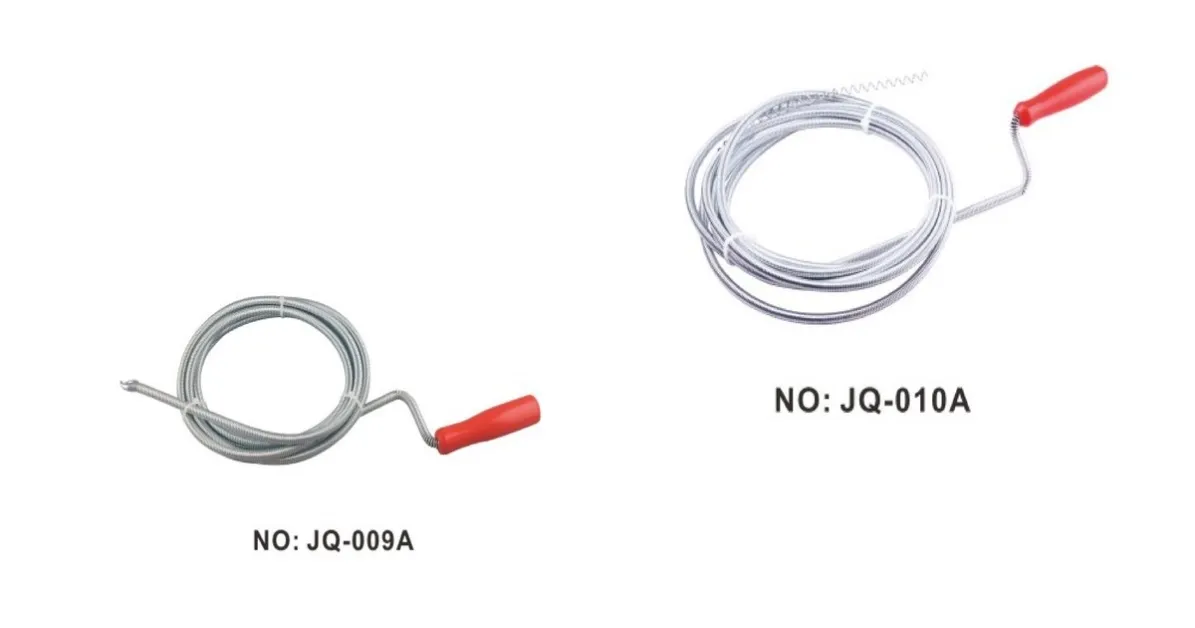
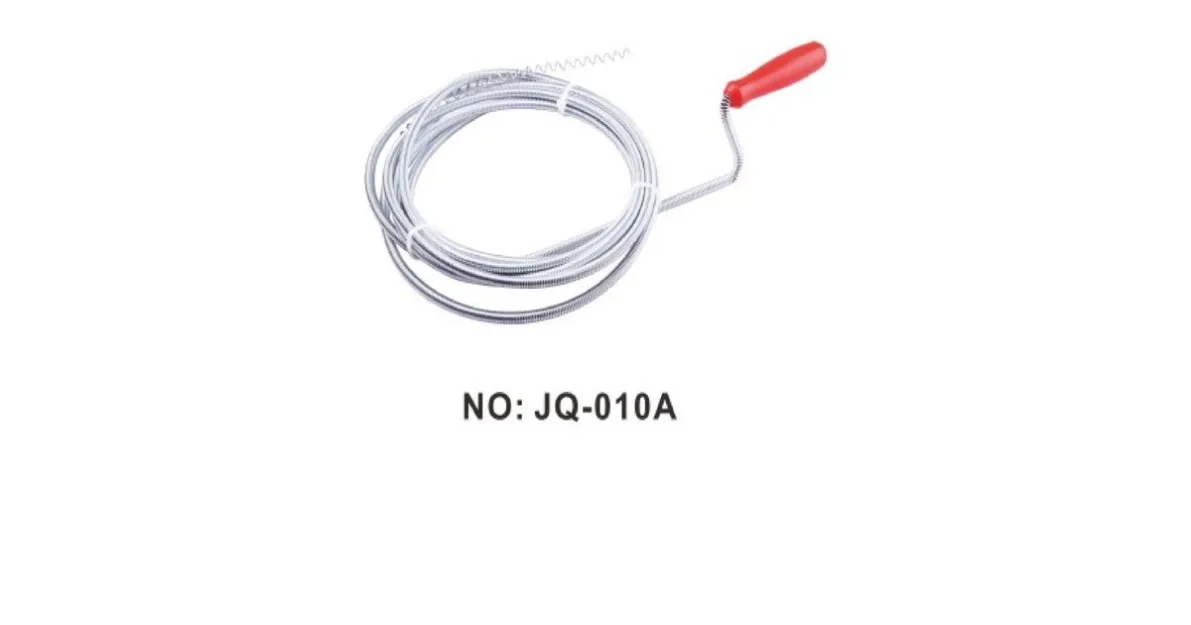
5 mm cable and the hand augers that carry it cover condensate work. Stocking only 6 mm and 9 mm leaves the HVAC customer without an option that fits.
Short length is enough, and lighter to carry
A 4 to 4.5 m length reaches a condensate run in most installations. A longer cable is extra weight in a bag and more cable to dry after a wet job.
Why this is a repeat-purchase line
Condensate cleaning is a recurring maintenance task, so cable and small tools get consumed and replaced. That is what makes it worth a catalogue line rather than a one-off sale.
The accessory that prevents the callout
Algae tablets or strips used in the drain pan reduce how often the line blocks at all. Stocking the preventive item alongside the clearing tool is what a maintenance buyer expects.
Building the maintenance routine
Most condensate callouts are the result of no routine rather than a sudden failure. The routine is what a distributor can sell as a package.
Flush the line at the start of the cooling season
A line that has sat dry over winter is where the algae starts. Clearing it before the first heavy use prevents the first blockage of the season.
Check the trap, not just the line
A trap that has dried out lets air pass and a trap that is full of slime restricts flow. Both produce symptoms that look like a blocked line.
Look at the drain pan at the same time
Slime in the pan reseeds the line within weeks. Clearing the line without cleaning the pan is why the same unit blocks again.
Confirm the float switch works
A blocked line usually shows up first as a tripped float switch or an overflow. A switch that does not work turns a blocked line into a ceiling.
Where a hand auger is the wrong answer here
Naming the limits is what keeps the tool from being blamed for the wrong job.
When the blockage is at the unit end
Slime at the coil drain pan is not reachable from the outlet. The pan has to be opened and cleaned, and a cable does not substitute for that.
When the line has a hard obstruction
A kink in the pipe or a badly fitted joint needs the pipework corrected. A cable through it achieves nothing.
When the pipe is fragile
Thin-wall plastic condensate line can be damaged by an aggressive cable. On fragile pipework, vacuum and flush are the right methods.
When the problem is the slope
A line run without enough fall holds water and blocks repeatedly. Clearing it is temporary until the slope is fixed.
What to check before recommending a tool
Four questions to ask the customer, because each one changes the recommendation.
What is the line diameter?
16 to 25 mm needs a 5 mm cable. If the line is larger, the domestic 6 mm range applies instead.
How far is the run?
This sets the cable length. Most installations are covered by 4.5 m, and a longer run needs a longer cable rather than a different tool.
Is there a cleanout?
A tee or a cleanout lets the line be flushed and vacuumed without a cable at all. Where one exists, recommend using it.
What material is the pipe?
Rigid PVC takes a cable; thin flexible line does not. Asking avoids the damage claim that follows an aggressive clear.
Frequently asked questions
Why does a condensate line block when nothing goes down it?
Algae and bacteria grow in the standing water and coat the pipe wall with slime. Nothing needs to fall into the line for it to narrow over time.
What cable size fits a condensate drain?
5 mm cable suits the 16 to 25 mm lines used on condensate. A general-purpose 6 mm domestic cable is usually too thick to follow the bends.
Can I use a pressure blow-out?
Yes on a sound, straight run, and it is fast. On old or patched pipework a cable or a vacuum is safer, because pressure can split a weak joint.
How often should the line be cleared?
At the start of each cooling season as a minimum, and more often where the unit runs continuously. Algae tablets in the pan extend the interval.
Is a cable safe in plastic condensate pipe?
In rigid PVC, yes, with a coated cable. In thin flexible line, no, because the cable can damage the wall, so use a vacuum and flush instead.
What stops it blocking again?
Cleaning the drain pan as well as the line, plus algae treatment in the pan. Clearing the line alone leaves the source of the slime in place.
Request a specification for condensate maintenance tools
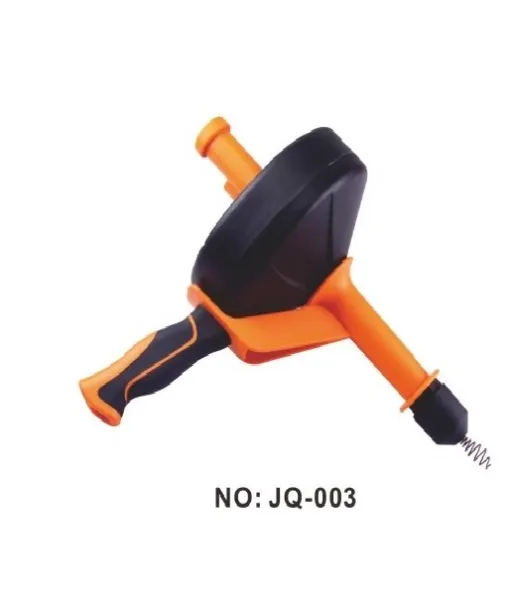
Send the line diameters you need to cover, cable lengths, quantities and destination, and we will return a specification sheet and a quotation. Email [email protected], [email protected] or [email protected], or message us on WhatsApp at +86 158 6745 7689. Product Manager Alisa Xu handles this range. Cable diameters and wire gauges are mapped in the cable size chart, the tools themselves are on the JQ-003 page and the JQ-004 page, replacement cable on the spare cables page, and the category on drain augers. Tool selection is covered in the drum auger versus drain snake guide, wider plumbing maintenance in the drain maintenance guide, HVAC tooling in the HVAC installation tools guide, and the condensate range on the wholesale site under HVAC and plumbing hand tools.The cleaning step most ranges leave out
Clearing a drain and cleaning one are different jobs, and only the second stops the call coming back. The JQ-015 drain cleaning brush is the hand tool for the second job: 5 mm spring, 1.2 mm line, 0.8 m or 3 m, with a round stiff-bristle head that scours the bore instead of pushing a channel through the middle of the deposit.