Drain Cleaners & Augers
9 m Drain Rod Set | 10 x 920 mm PP Rods | OEM
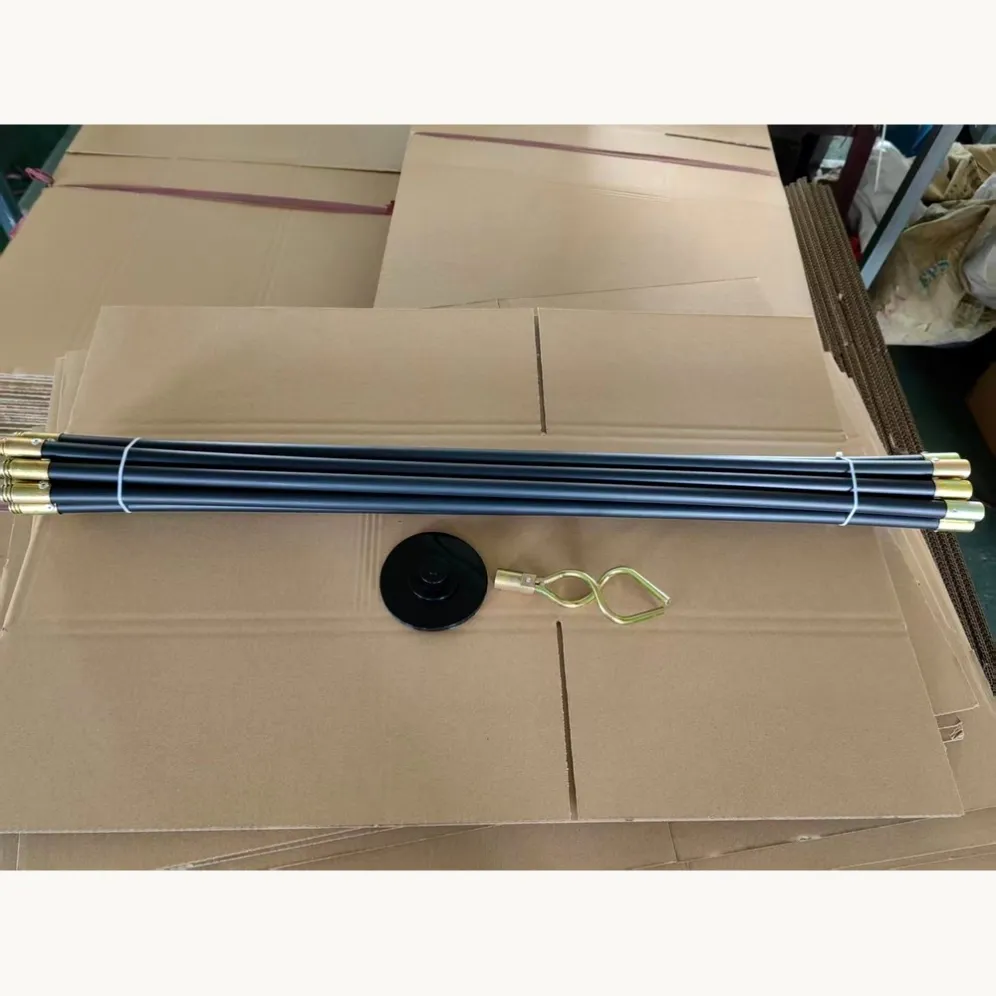
JQ-025 drain rod set: ten 920 mm polypropylene rods to 9 m assembled, zinc-alloy or brass connectors, five attachments, OEM packing for distributors.
Specifications
- Model
- JQ-025
- Rod quantity
- 10 rods plus attachments
- Rod length
- 920 mm per rod
- Assembled length
- Approx. 9 m when fully assembled
- Rod material
- Polypropylene (PP)
- End connectors
- Zinc alloy or brass
- Attachments
- Double worm screw, plunger, scraper, guide wheel, brush
- MOQ
- 500 pcs per order, mixed configurations allowed
JQ-025 is the format plumbers reach for when the blockage is in a straight run and a cable would simply buckle: ten rigid 920 mm polypropylene rods that screw together to 9 m, with a double worm screw, plunger, scraper, guide wheel and brush supplied in the set. For a distributor the interesting part is not the 9 m figure — it is that this is the cheapest way into the drain category, because the tool needs no cable drum, no drill and no tolerance for bending.
What the JQ-025 set actually contains
Everything below is the configuration we manufacture and quote. Confirm each line against your own purchase order before it goes into a catalogue, because the two variables that change most between orders are the end-connector material and the attachment mix.
Item | Specification | Why it matters to the buyer |
|---|---|---|
Rod quantity | 10 rods, plus attachments | Sets the assembled reach and the carton length |
Rod length | 920 mm per rod | Long enough to make progress, short enough to fit a carry bag |
Assembled length | Approximately 9 m when all ten are coupled | Reaches most domestic branch runs from one access point |
Rod material | Polypropylene (PP) | Rigid, non-conductive, will not rust or mark plastic pipe |
End connectors | Zinc-alloy or brass | Brass resists corrosion on wet sites; zinc alloy hits a lower price point |
Attachments supplied | Double worm screw, plunger, scraper, guide wheel, brush | Five jobs from one set: pulling, pushing, scraping, centring, and cleaning |
Coupling type | Screw-coupled, rod to rod | Add or remove rods as the run demands — no fixed length to commit to |
Source: Torchmark drain cleaner catalogue, JQ-025. Attachment configuration and connector material are confirmed per order.
Why ten rods and not six
Rod sets are sold by reach, and reach is what the end user measures against the distance from the access point to the blockage. Ten rods at 920 mm gives roughly 9 m assembled, which covers a domestic branch run plus the bends in it, and — just as importantly — arrives at a carton length that still makes a sensible pallet count. A six-rod set looks cheaper on the shelf and gets returned by anyone whose blockage sits further than five and a half metres in, which is most of them.
Polypropylene rather than steel or nylon
PP is the material that survives a wet drain without corroding and without conducting, and it is stiff enough to transmit a push without kinking the way a thin cable does. It also does not scratch plastic waste pipe the way a bare steel spring can. What it will not do is take a sharp 90-degree elbow at force — that is a limitation to state in the catalogue rather than discover through a return.
Which blockages this set clears — and which it will not
Rod sets win on straight runs and lose on tight bends. That single distinction decides whether the tool belongs in your plumbing range at all, so it is worth putting in writing rather than leaving the buyer to work it out.
Blockage | Does the JQ-025 clear it? | What to use instead |
|---|---|---|
Hair and soap scum in a basin or shower trap | Yes — the double worm screw hooks and withdraws it | — |
Soft material in a straight branch run | Yes — plunger pushes, worm screw pulls | — |
Grease film on a kitchen line | Partly — the scraper breaks it up, then flush | A drain auger with a cutting head for packed grease |
External gully and floor drain silt | Yes — this is where rod sets are genuinely strongest | — |
A sharp 90-degree elbow close to the access point | No — a rigid rod cannot turn it at force | A flexible-cable auger |
Main sewer lines and tree roots | No | Powered sectional machine — a different product category |
A toilet pan | No — do not sell it for this | A trap-level tool, used with the pan removed if needed |
The rod set's real advantage: no cable memory
A cable that has been coiled in a drum for a year arrives at the blockage with a set in it, and that set is what makes it climb the pipe wall instead of pushing forward. Rigid rods do not have this problem — each 920 mm section is straight until it is used, so the push goes where the user aims it. Anyone who has fought a badly stored auger cable will understand the argument immediately, and it is the strongest single reason this format still sells.
Where the format stops being the right answer
Be direct about it: if the run turns sharply within the first metre, the rod set has nowhere to go, and no amount of extra rods will fix that. If the blockage is roots in a main line, the tool is simply the wrong size of product. Selling a rod set into those jobs generates the returns that end a line, so the honest application statement is also the commercially sensible one.
Attachments: five heads, five different jobs
The attachments are what turn a set of rods into a tool kit, and they are the part that sells second units and spares. Do not present them as accessories in the catalogue — present them as the reason the set is worth its price.
Double worm screw
The workhorse. Two opposed spirals grip hair, rag and fibre so the material comes back out with the rod instead of being pushed further in. It is the attachment users ask for by name when they need a replacement.
Plunger
A rubber cup that works like a hand plunger at the end of a rigid shaft, applying pressure exactly where the blockage is rather than at the open end of the trap. Useful on soft, recent blockages where the material just needs to be shifted rather than removed.
Scraper
For grease and silt adhering to the pipe wall. Work it back and forth and flush afterwards — the scraper loosens what a plunger would only push around.
Guide wheel
Centres the rod inside the pipe so the head reaches the far side of the bore instead of dragging along the invert. On a longer run this is the difference between the head arriving at the blockage and the rod jamming on a joint.
Brush
Finishing attachment: after the blockage is out, the brush scrubs the wall so the residue does not become next month's call-out. It is also the attachment that makes the set useful for scheduled maintenance contracts, not just emergencies.
Who buys this, and how it is packaged
Three buyer types overlap here, and each wants a different packing format. Getting that right is worth more margin than shaving a few cents off the connector.
Plumbers and maintenance contractors
They want the set in a bag or case that survives a van, and they want the attachments not to be loose in the bottom of it. Lead with the carry format and the attachment count.
Facility and building maintenance
This is the buyer who places a repeat order: rods get lost, attachments wear, and a set that lives in a plant room gets replaced rather than repaired. A spares line matters more to them than the tool price.
Retail and DIY channels
Colour box, clear product photography of the ten rods plus the five heads laid out, and the 9 m assembled length stated on the front. This is a shelf product before it is a trade product, and the pack has to do the explaining.
OEM and private label
Rod colour, connector material, attachment mix, bag or case, printed manual and barcode all take your branding. Agree the volume before artwork starts, because a private-label run needs a higher quantity than a neutral one and the tooling has to be recovered across it.
Packing and freight planning
A 920 mm rod sets the carton length, and carton length sets how well a pallet fills — so the configuration you choose changes the landed cost per set, not just the unit price. Ask for the carton count and the pallet fill with the quotation, and price the freight on the assembled carton rather than on a per-kilo estimate.
Specifying the set for your market
Four decisions cover almost every variation we are asked for. Settle them before the order, not after the first shipment.
Connector material
Zinc alloy for price-sensitive retail, brass for wet-site and professional channels where corrosion complaints are expensive. State the choice on the quotation in writing — it is the first thing a buyer checks on a repeat order and the easiest thing to get silently substituted.
Attachment mix
The full five-head set is the natural retail configuration. Trade channels often prefer fewer heads and a stronger bag, because they already own the attachments they trust. Both are the same rods.
Rod count
Ten is the standard, but the count is a lever: fewer rods for a lower shelf price, more for markets with longer branch runs. Because the coupling is a screw thread, the count changes reach without changing anything else about the tool.
Manual and safety copy
Include the application limits in the manual: not for toilets, not for main lines, do not force a rod through a sharp elbow. That copy is what stops the set being blamed for a job it was never designed to do.
Ordering, MOQ and lead time
MOQ is 500 pieces for the order rather than per variant, so mixed configurations are accepted with the quantity per variant stated in the quotation. Samples are charged, and sample freight is refunded once an order is placed. Typical lead time is 15–45 days from the confirmed order, which is long enough that the timing of the PO decides whether the range is on the shelf before the season turns.
Two things belong on the same purchase order as the rods: a spare attachment set, and a second rod count. Both share the carton and the freight, and both are what bring the customer back to you rather than to whoever is cheapest that month.
Questions buyers ask about rod sets
Is a drain rod set better than a cable auger?
On straight runs and external gullies, yes — rigid rods push where a cable buckles, and there is no cable memory to fight. On tight bends near the access point, a flexible-cable auger is the better tool. Stocking both covers the category.
What pipe sizes will a 920 mm PP rod enter?
The rods are slim enough for normal domestic waste pipe and gully gratings, and the guide wheel centres them in larger bores. Confirm the entry against the actual fitting you intend to sell into rather than a nominal pipe size.
Why specify brass rather than zinc-alloy connectors?
Brass resists corrosion on wet, permanently damp sites, which is where most connector complaints originate. Zinc alloy reaches a lower retail price. Both are available, and the choice is stated per order.
Can the rods be used with a drill?
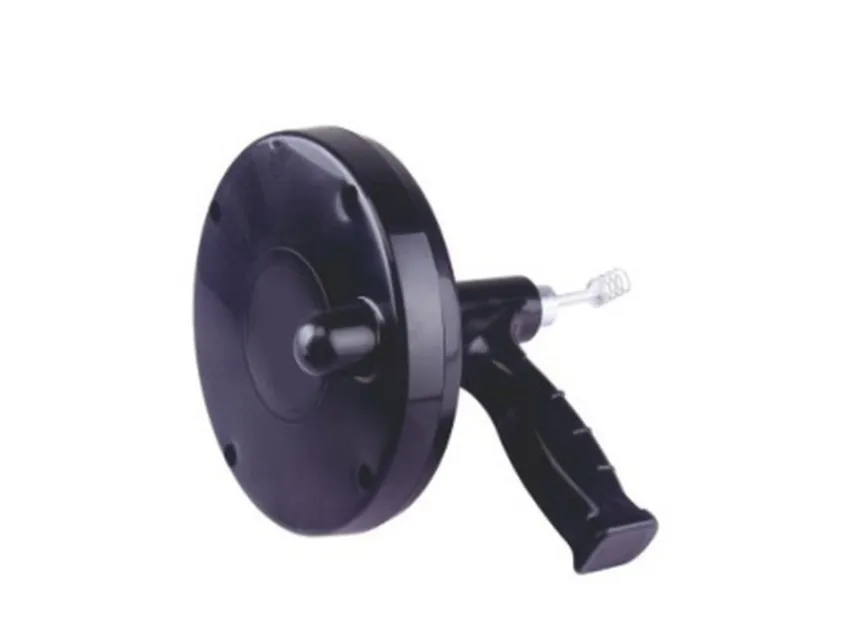
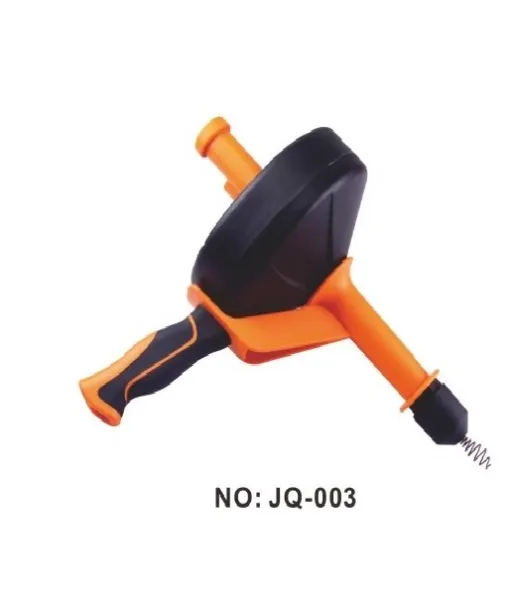
No. These are hand-driven rods; a drill spins the coupling and can separate the sections. If your market wants drill capability, a pistol-grip auger such as the JQ-003 is the format to specify instead.
How many attachments does the set include?
Five: double worm screw, plunger, scraper, guide wheel and brush. Each covers a different part of the job — gripping, pushing, scraping, centring and cleaning — which is why the set is sold as a kit rather than as rods alone.
What are the MOQ and lead time for a private-label run?
MOQ starts at 500 pieces for the order, with mixed variants allowed and quantities stated per variant. Lead time is typically 15–45 days from the confirmed order. Branded runs need their volume agreed before artwork begins.
Request a JQ-025 quotation or a sample set
Send the connector material, the attachment mix, the rod count and the packing format you want, with quantities per variant and your destination port. We will quote the set, the spare attachments, MOQ, lead time and sample cost together so the whole programme can be priced before you commit.
WhatsApp: +86 15867457689 (Amy) · Email: amy@longrunhardware.com for formal RFQs · alisa@longrunhardware.com for specification questions · akira@longrunhardware.com for samples and documentation. Replies within 12 hours, Monday to Saturday.